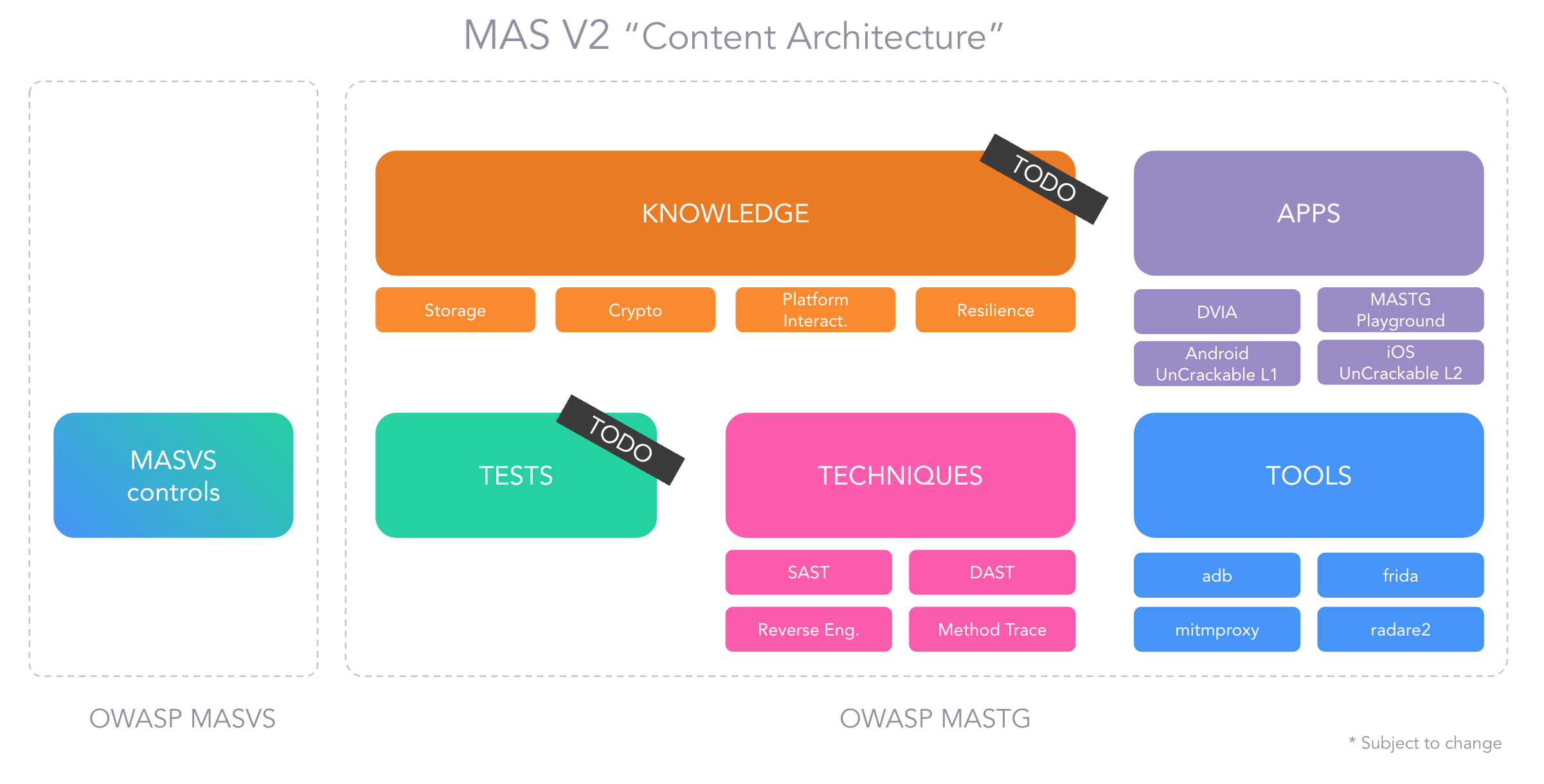
We've received many comments and excellent questions, which we've compiled and summarized, along with the authors' answers. We'd like to thank everyone who took the time to read the document and especially those who asked valuable questions.
Mobile applications frequently access sensitive user data to deliver their core functionalities. This data ranges from personally identifiable information (PII), health metrics, location data, to device identifiers. Mobile devices are a constant companion to users, always connected, and equipped with numerous sensors—including cameras, microphones, GPS and BLE—that generate data capable of inferring user behavior and even identifying individuals. The landscape is further complicated by advanced tracking techniques, the integration of third-party SDKs, and a heightened awareness of privacy issues among users and regulators. As a response, there's a growing trend towards on-device processing to keep user data localized and more secure.
We are thrilled to announce the second phase of the MASTG (Mobile Application Security Testing Guide) refactor. These changes aim to enhance the usability and accessibility of the MASTG.
The primary focus of this new refactor is the reorganization of the MASTG content into different components, each housed in its dedicated section/folder and existing now as individual pages in our website (markdown files with metadata/frontmatter in GitHub):
We are excited to announce the release of a new collaborative effort between industry, academia, and the OWASP Mobile Application Security (MAS) project. This document introduces a novel formula designed to measure the risk associated with mobile applications.
The MASTG refactoring is a significant upgrade that addresses some existing challenges and introduces exciting new features. It aims to streamline compliance, simplify testing and improve usability for security testers and other stakeholders.
As part of the MASVS refactoring, we've replaced the three traditional verification levels (L1, L2, and R) with security testing profiles in the MASTG. These new profiles are designed to enhance our ability to capture various security nuances associated with mobile apps, allowing us to evaluate different situations for the same MASVS control. For instance, in MASVS-STORAGE-1, it's acceptable to store data unencrypted in app internal storage for MAS-L1, but MAS-L2 requires data encryption.
We're bringing official colors to the MASVS! The new colors will be used across the MASVS v2.0.0 and MASTG v2.0.0 to help users quickly identify the different control groups. We've also revamped certain areas of our website to make them more readable and easier to navigate as well as to prepare for what's coming with the MASTG v2.0.0 (keyword: "atomic tests").
We are thrilled to announce the release of the new version of the OWASP Mobile Application Security Verification Standard (MASVS) v2.0.0. With this update, we have set out to achieve several key objectives to ensure that MASVS remains a leading industry standard for mobile application security.
Until now our project was called the "OWASP Mobile Security Testing Guide (MSTG)" project. Unfortunately, this was a source of confusion since we happen to have a resource with the same name, the OWASP MSTG. Not only that, that name doesn't reflect the full scope and reach of our project. Have you ever wondered why the MSTG is called MSTG and not MASTG? Both documents are about Mobile Application Security and we'd like to make that clear.
Today we are rebranding our project to "OWASP Mobile App Security (MAS)".